Coins are more than just everyday currency. They are miniature pieces of history, carrying stories of the nation’s past and sometimes holding hidden treasures for collectors. Among American coins, quarters have a special place. While most quarters are worth only twenty-five cents, certain rare issues can fetch thousands of dollars at auctions and private sales. Understanding why these coins are so valuable requires a closer look at their history, rarity, condition, and the fascinating quirks of minting errors.
The Historical Journey of U.S. Quarters
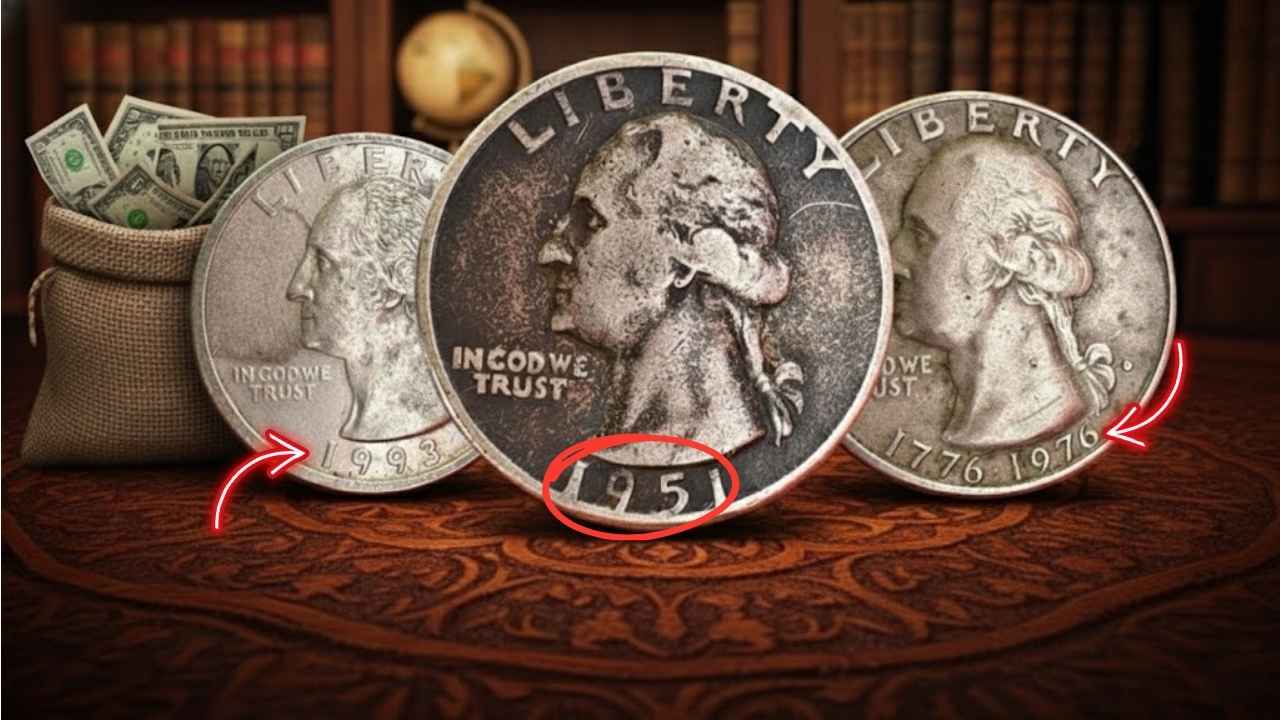
The U.S. quarter was first introduced in 1796, featuring Lady Liberty on the obverse. Over the centuries, designs evolved to reflect changing times and national pride. From the Seated Liberty quarters of the 19th century to the Washington quarters introduced in 1932, each design tells a story. Collectors often seek coins that represent pivotal moments in American history, and quarters are a perfect example of how currency can mirror cultural shifts.
Factors That Make Quarters Valuable
Several elements contribute to the high value of rare quarters. Rarity is the most obvious factor. Coins produced in limited numbers or with unique characteristics naturally attract collectors. Condition also plays a crucial role. A quarter in pristine, uncirculated condition can be worth exponentially more than one that has been heavily circulated. Minting errors, such as double strikes or off-center designs, add another layer of intrigue. Finally, historical significance and demand among collectors drive prices higher.
Famous Rare Quarters
Some quarters have achieved legendary status in the numismatic world. The 1932-D Washington quarter is one of the most sought-after coins, with only a small number minted in Denver. Similarly, the 1932-S quarter from San Francisco is prized for its scarcity. Another standout is the 1916 Standing Liberty quarter, which marked the beginning of a new design era and is extremely rare in high grades. The 1970-S proof quarter, mistakenly struck on a 1941 Canadian quarter, is a fascinating error coin that has sold for thousands. These examples highlight how rarity and uniqueness can transform a simple coin into a collector’s dream.
Minting Errors and Their Appeal
Minting errors are a major reason why certain quarters become valuable. Errors occur when something goes wrong during the coin production process. Examples include double die errors, where the design appears doubled, or off-center strikes, where the image is misaligned. These mistakes are rare and often escape detection, making them highly desirable. Collectors love error coins because they represent anomalies in a system designed for precision. Owning such a coin feels like holding a piece of history that almost wasn’t meant to exist.
The Role of Condition and Grading
Condition is critical in determining a coin’s value. Professional grading services evaluate coins based on their wear, luster, and strike quality. A coin graded as Mint State (MS) can be worth many times more than the same coin in circulated condition. For example, a 1932-D Washington quarter in average condition might sell for a few hundred dollars, but in Mint State it can reach thousands. Collectors often invest in graded coins because certification provides assurance of authenticity and quality.

Collecting Quarters as an Investment
Rare quarters are not only fascinating collectibles but also potential investments. Over time, the value of scarce coins tends to rise as demand increases and supply remains fixed. Many collectors view rare quarters as tangible assets that diversify their portfolios. However, investing in coins requires knowledge and patience. Market trends can fluctuate, and not every coin will appreciate in value. The key is to focus on coins with proven historical significance, rarity, and strong demand.
Modern Quarters with Hidden Value
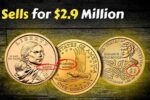
It’s not only old quarters that hold value. Some modern issues can be worth more than face value due to errors or limited production. For instance, certain state quarters released in the late 1990s and early 2000s have error varieties that collectors seek. The 2004 Wisconsin quarter with an extra leaf on the corn stalk is a famous example. While most modern quarters are common, keeping an eye out for unusual features can lead to surprising discoveries.
How to Identify Valuable Quarters
Identifying valuable quarters requires attention to detail. Start by checking the date and mint mark. Coins from certain years and mints are rarer than others. Examine the coin’s condition carefully, looking for signs of wear or damage. Use a magnifying glass to spot potential errors. Consulting coin guides and price catalogs can provide insight into current market values. Joining collector communities or visiting coin shows also helps in learning from experienced numismatists.
Key Highlights
- Rare U.S. quarters can be worth thousands due to scarcity, condition, and historical significance
- Famous examples include the 1932-D and 1932-S Washington quarters, and the 1916 Standing Liberty quarter
- Minting errors such as double dies and off-center strikes add unique value
- Condition and professional grading significantly impact a coin’s worth
- Modern quarters with errors, like the 2004 Wisconsin extra leaf variety, can also be valuable
- Collecting quarters can be both a rewarding hobby and a potential investment
Final Words
Rare U.S. quarters remind us that everyday objects can hold extraordinary value. What seems like a simple coin in your pocket might actually be a hidden treasure worth thousands. Collectors cherish these coins not only for their monetary worth but also for the stories they tell about America’s past. Whether you are a seasoned numismatist or a curious beginner, exploring the world of rare quarters offers a journey into history, art, and the thrill of discovery. The next time you come across a quarter, take a closer look—you never know what secrets it might hold.