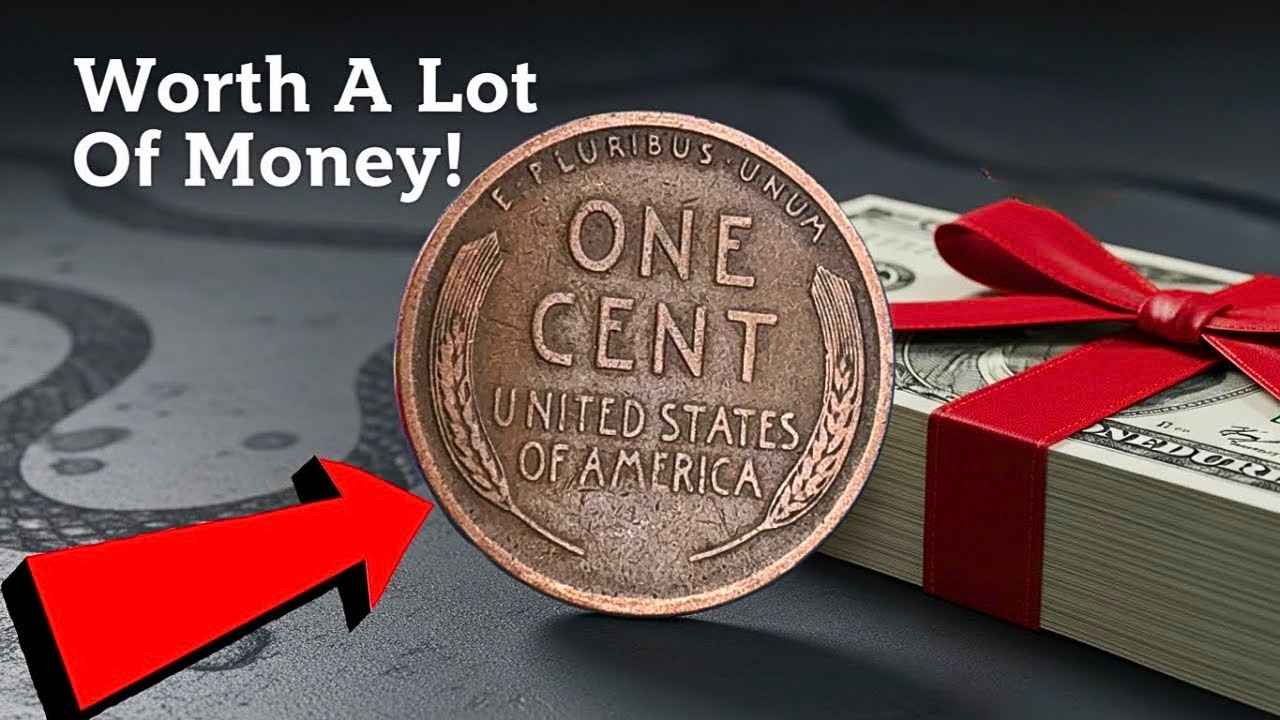
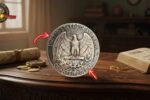
Wheat Pennies, officially known as Lincoln Wheat Cents, are among the most beloved coins in American numismatics. Minted from 1909 to 1958, these one-cent coins feature the iconic portrait of Abraham Lincoln on the obverse and two wheat stalks on the reverse. While millions were produced, certain rare dates and varieties have become highly sought after by collectors, driving values far beyond their humble face value. This guide explores the history, rarity, and collector demand behind Wheat Pennies, highlighting the coins that stand out as treasures in the world of numismatics.
The Origins of Wheat Pennies
The Lincoln Wheat Cent was introduced in 1909 to commemorate the centennial of Abraham Lincoln’s birth. It was the first U.S. coin to feature a real person rather than a symbolic figure. Designed by Victor David Brenner, the coin’s reverse displayed two wheat stalks, symbolizing prosperity and agricultural strength. The design remained in use until 1958, when it was replaced by the Lincoln Memorial reverse in 1959.
Why Wheat Pennies Are Valuable
Several factors contribute to the value of Wheat Pennies. Rarity is the most important, with certain dates and mint marks produced in limited numbers. Condition also plays a major role, as coins in pristine, uncirculated condition are worth far more than those that have circulated heavily. Minting errors, such as doubled dies or off-center strikes, add uniqueness and increase collector interest. Finally, historical significance and strong demand among collectors ensure that Wheat Pennies remain popular in the coin market.
Key Rare Wheat Pennies
Some Wheat Pennies stand out as particularly rare and valuable. The 1909-S VDB is one of the most famous, with only 484,000 minted in San Francisco. Its distinctive “VDB” initials on the reverse make it a prized coin. The 1914-D penny is another key rarity, with low mintage numbers and high demand. The 1922 “No D” penny, struck in Denver without a visible mint mark, is a fascinating error variety. The 1931-S penny, with just over 866,000 minted, is also highly collectible. Each of these coins can command hundreds or even thousands of dollars depending on condition.
Minting Errors and Varieties
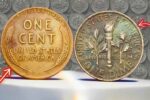
Error coins and varieties add excitement to Wheat Penny collecting. The 1955 doubled die penny is one of the most famous error coins in U.S. history, with its doubled lettering on the obverse making it instantly recognizable. Other doubled die varieties, such as the 1941 and 1943 issues, are also sought after. Off-center strikes, repunched mint marks, and other anomalies can turn ordinary pennies into rare collectibles. These coins highlight the imperfections of the minting process and provide unique opportunities for collectors.
The Role of Condition and Grading
Condition is critical in determining the value of Wheat Pennies. Coins are graded on a scale from Poor to Mint State, with higher grades commanding higher prices. Professional grading services provide certification that assures authenticity and quality. For example, a 1909-S VDB penny in average circulated condition might sell for a few hundred dollars, while one in Mint State can reach several thousand. Collectors often seek coins with sharp details, original luster, and minimal wear.

Collecting Wheat Pennies
Wheat Pennies are popular among both beginner and advanced collectors. Their long production run and wide availability make them accessible, while rare dates and varieties provide challenges for experienced numismatists. Many collectors aim to build complete sets, covering all years and mint marks from 1909 to 1958. Others focus on key dates, error varieties, or high-grade examples. Coin albums and folders designed for Wheat Pennies make collecting organized and enjoyable.
Investment Potential
Beyond their historical and aesthetic appeal, Wheat Pennies offer investment potential. Rare coins with proven demand often appreciate in value over time. The combination of limited supply and strong collector interest ensures that key Wheat Pennies remain valuable. However, investing in coins requires knowledge and patience. Market trends can fluctuate, and not every coin will increase in value. Collectors should focus on quality, rarity, and authenticity rather than speculation alone.
Modern Interest in Wheat Pennies
Even decades after their production ended, Wheat Pennies continue to capture public interest. Coin shows, auctions, and online marketplaces regularly feature Wheat Pennies, with collectors eager to add them to their collections. Stories of people finding rare pennies in circulation or old jars of coins add to the excitement. The enduring popularity of Wheat Pennies demonstrates their lasting impact on American coinage and collector culture.
How to Identify Valuable Wheat Pennies
Identifying valuable Wheat Pennies requires careful examination. Start by checking the date and mint mark, as certain combinations are rarer than others. Look for signs of minting errors, such as doubled lettering or missing mint marks. Assess the coin’s condition, noting wear, scratches, and luster. Consulting coin guides and price catalogs can provide insight into current market values. Joining collector communities or seeking advice from experienced numismatists can also help in identifying valuable coins.
Key Highlights
- Wheat Pennies were minted from 1909 to 1958, featuring Abraham Lincoln and wheat stalks
- Rare examples include the 1909-S VDB, 1914-D, 1922 No D, and 1931-S pennies
- Famous error coins include the 1955 doubled die penny and other doubled die varieties
- Condition and professional grading significantly impact coin values
- Collectors pursue complete sets, key dates, and error varieties
- Wheat Pennies offer both historical significance and investment potential
Final Words
Wheat Pennies are more than just one-cent coins; they are pieces of American history that continue to inspire collectors. From the iconic 1909-S VDB to the legendary 1955 doubled die, these coins tell stories of artistry, rarity, and the nation’s past. Whether you are a beginner starting with common dates or an advanced collector chasing elusive rarities, Wheat Pennies offer a rewarding journey into numismatics. Their enduring popularity and potential for value make them a cornerstone of coin collecting, proving that even the smallest denomination can hold great significance.